Choosing the Right Chicken Breeds for Your Farm
Selecting the appropriate chicken breeds is a foundational decision for any poultry operation, whether it involves a small backyard flock or a larger agricultural enterprise. The choice influences not only the type and quantity of products—such as eggs or meat—but also the daily management practices, feed costs, and overall animal welfare. With a vast array of breeds available, each possessing distinct characteristics, the selection process requires careful consideration of multiple factors including production goals, environmental conditions, and available resources.
This article provides a comparative overview of popular chicken breeds categorized by their primary purpose: egg production, meat production, and dual-purpose capabilities. It also examines the impact of climate, temperament, and space requirements on breed suitability. By understanding these elements, farmers and hobbyists alike can make informed decisions that align with their specific circumstances and objectives.
Understanding Production Goals: Eggs, Meat, or Both
The first step in breed selection is to define the intended production outcome. Breeds are often classified into three broad categories: egg layers, meat birds, and dual-purpose varieties. Egg-laying breeds are typically lighter in body weight, have efficient feed conversion for egg production, and are known for consistent laying patterns. Meat breeds, on the other hand, are bred for rapid growth and high muscle mass, reaching market weight in a relatively short period. Dual-purpose breeds offer a balance between egg production and meat quality, making them popular for small farms and homesteads where versatility is valued.
When prioritizing egg production, breeds such as the White Leghorn are notable for their high output of white eggs, while Rhode Island Reds and Australorps are excellent brown egg layers. These breeds are often chosen by commercial operations for their efficiency and consistency. For meat-focused enterprises, the Cornish Cross is a common choice due to its exceptional growth rate and breast meat yield. However, it requires careful management to avoid health issues associated with rapid weight gain. Dual-purpose breeds like the Plymouth Rock and Wyandotte provide a steady supply of eggs and also produce a respectable carcass, making them suitable for those seeking a balanced approach.
It is important to note that production goals are not solely about quantity. Factors such as egg color, shell quality, and meat flavor may also influence breed selection. Additionally, the intended market—whether direct to consumers, farmers’ markets, or personal use—can dictate preferences. For instance, some niche markets may prefer heritage breeds with specific characteristics. Therefore, a thorough understanding of one’s production objectives is essential before proceeding.
Adapting to Climate and Environmental Conditions
Climate plays a crucial role in breed selection, as chickens vary in their tolerance to heat, cold, and humidity. Breeds that originate from colder regions, such as the Chantecler or the Orpington, often have dense feathering and smaller combs, which help prevent frostbite. Conversely, breeds from warmer climates, like the Leghorn or the Minorca, typically have larger combs and wattles that facilitate heat dissipation. Selecting breeds that are well-adapted to the local climate can reduce stress and improve overall health and productivity.
In hot and humid environments, feather coverage and body size are critical. Heavier breeds with tight feathering may suffer from heat stress, while lighter, more active breeds are generally better suited. Providing shade, ventilation, and access to cool water can mitigate some effects, but innate heat tolerance remains a significant advantage. In contrast, cold climates require breeds with robust bodies and adequate feathering to maintain body temperature. Some breeds, such as the Australorp, are hardy in various conditions, making them versatile choices.
Seasonal variations also influence management practices. Egg production often decreases in winter due to reduced daylight, and certain breeds are more resistant to this decline. For example, laying breeds with a strong genetic propensity for year-round production may be preferable in regions with short winters. Considering the range of environmental extremes one expects is vital for selecting breeds that will thrive.
Evaluating Temperament and Social Behavior
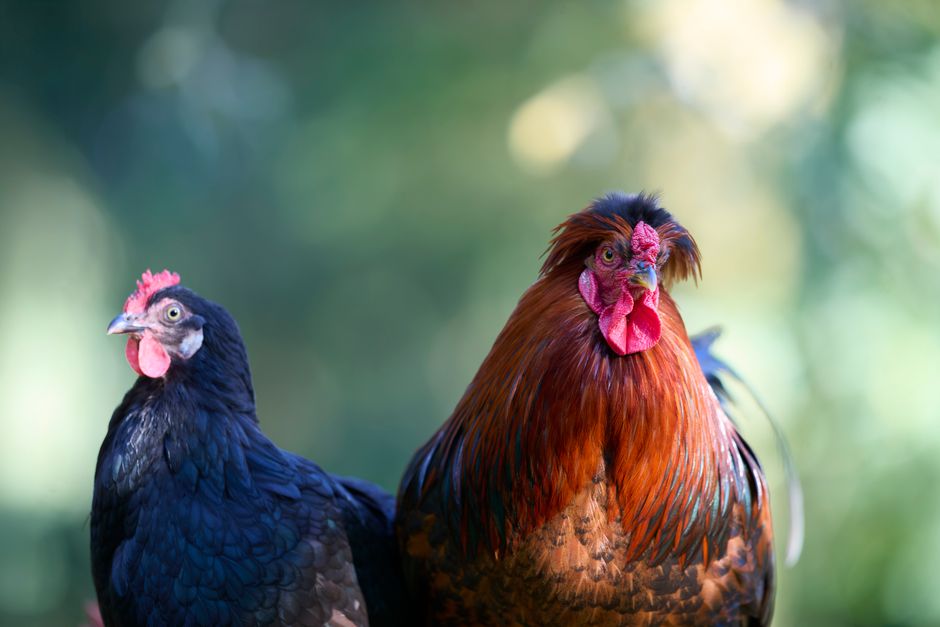
Chicken temperament affects handling ease, flock dynamics, and even the safety of the caretaker, particularly in small flocks or when children are involved. Some breeds, such as the Sussex and the Cochin, are known for their calm and docile nature, making them ideal for beginners or those seeking gentle birds. Others, like the Campine or the Hamburg, are more flighty and active, requiring more careful handling and secure fencing.
Social behavior also varies among breeds. Certain breeds exhibit a tendency to be more assertive or aggressive, which can lead to pecking or bullying within the flock. Adding new birds to an established group often requires careful introduction to minimize stress and conflict. Breeds with a reputation for being non-aggressive, such as the Brahma, can contribute to a more harmonious flock environment.
Observations of breed-specific behaviors are essential for anticipating potential challenges. While individual personalities exist, breed tendencies provide a baseline for expectations. Integrating this knowledge into management plans can lead to a more positive experience for both the birds and the caregiver.
Assessing Space Requirements and Housing
Space requirements are intrinsically linked to breed size and activity level. Larger breeds, such as Jersey Giants or Orpingtons, need more square footage per bird to move comfortably and prevent overcrowding. Smaller breeds, like the Serama or the Bantam varieties, require less space, making them suitable for urban environments. The availability of outdoor space for ranging—foraging and exercise—also influences breed choice. Active foragers, such as the Rhode Island Red, benefit from access to pasture or a large run, while more sedentary breeds may adapt to confinement.
Housing design must accommodate the size of the breed and the flock. Roosting height, nesting box size, and feeder and waterer heights should be adjusted accordingly. Proper ventilation and insulation are essential for all breeds, but the specific needs may vary. For instance, breeds with feathered legs, like the Brahma, may require additional bedding to keep their feathers clean and dry in damp conditions.
Smart planning of space ensures animal welfare and reduces the risk of disease. Overcrowding can lead to stress, increased aggression, and the spread of parasites. Therefore, understanding the spatial needs of chosen breeds is a critical component of successful poultry management.
Popular Breeds: A Comparative Overview
Several breeds stand out for their popularity in the United States due to their performance, adaptability, and personality. The following comparison highlights some commonly chosen breeds:
- White Leghorn: An excellent white egg layer, known for its efficiency and feed conversion. They are active, alert, and prefer free-ranging. They can be flighty and are not typically considered docile.
- Rhode Island Red: A dual-purpose breed that lays brown eggs and has a good meat-to-bone ratio. They are hardy, adaptable to various climates, and generally friendly. They are active foragers and can be somewhat assertive.
- Australorp: A dual-purpose breed originating from Australia, known for its excellent brown egg production and calm temperament. They are heat tolerant and cold hardy, making them versatile.
- Plymouth Rock: A dual-purpose breed with a calm disposition. They lay brown eggs and have a good carcass yield. They are hardy and do well in confinement or free-range settings.
- Wyandotte: A dual-purpose breed that is cold-hardy and lays brown eggs. They have a round body and a quiet nature. They can be prone to broodiness.
- Brahma: A heavy breed known for its cold-hardiness and gentle demeanor. They lay brown eggs, though not as prolifically as some other layers. They require ample space due to their size.
- Cornish Cross: A meat breed that gains weight rapidly and achieves large breast size. They have a broad breast and are efficient at converting feed into muscle. However, they are prone to leg issues and require careful feeding management.
This list is not exhaustive, but it represents a starting point for evaluating breeds based on the criteria discussed. Each breed has its own set of strengths and potential challenges, and the best choice will depend on the specific circumstances of the farm.
Selecting breeds is not a one-time decision; it may evolve with experience, market demands, and changes in environmental conditions.
Making an Informed Decision
Choosing the right chicken breeds involves synthesizing information about production goals, climate, temperament, and space. It is a decision that benefits from careful research and, where possible, consultation with local poultry experts or extension services. Observing breeds in person, if feasible, can provide valuable insight into their behavior and suitability. Additionally, starting with a small, diverse flock can serve as a trial, allowing the farmer to assess performance and compatibility before expanding.
Ultimately, there is no one-size-fits-all breed. The ideal choice is one that aligns with the resources and aspirations of the individual operation, while also promoting the health and well-being of the birds. By approaching breed selection in a systematic and informed manner, farmers can set the foundation for a productive and sustainable poultry venture.