Best Feeding Schedule for Laying Hens
Establishing a consistent feeding schedule is a fundamental aspect of managing a flock of laying hens. The timing, quantity, and composition of feed directly influence not only the health of the birds but also the consistency and quality of egg production. While there is no one-size-fits-all approach, understanding the nutritional needs of hens at different stages of their laying cycle can help poultry keepers develop a routine that supports steady output.
This article outlines a practical daily feeding framework, with attention to portion sizes, feeding times, and the role of calcium in producing strong eggshells. The information presented here is intended to serve as a general guide, acknowledging that individual flock conditions, environmental factors, and management practices will require adjustments.
Understanding the Nutritional Needs of Laying Hens
Laying hens have specific dietary requirements that differ from those of growing birds or non-laying adults. A balanced diet for layers typically contains adequate protein, energy, vitamins, and minerals, with particular emphasis on calcium and phosphorus for eggshell formation. Protein supports feather development, tissue maintenance, and the production of egg albumen, while energy comes primarily from carbohydrates and fats in the feed.
Most commercial layer feeds are formulated to meet these needs, with protein levels ranging from 15% to 18% and calcium levels around 3.5% to 4.5%. However, consumption varies based on breed, age, body weight, and environmental temperature. For instance, hens may eat more in colder weather to maintain body heat, while hot weather can suppress appetite.
To optimize egg production, it is not only important to provide the right feed but also to ensure that hens have constant access to fresh, clean water. Water intake is closely linked to feed consumption and egg formation. A deficiency in water can quickly reduce feed intake and lead to a drop in egg output.
Designing a Daily Feeding Schedule
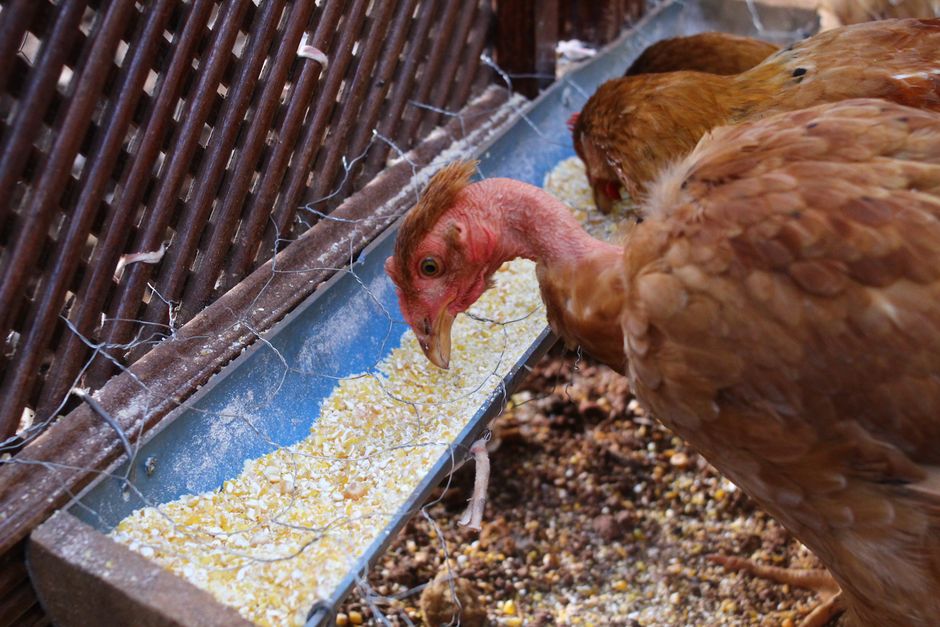
A feeding schedule should align with the natural behavior of hens, which typically feed during daylight hours. Free-choice feeding, where feed is available at all times, is common and allows hens to eat as needed. However, portion-controlled feeding at specific times can help manage feed costs and prevent obesity, especially in smaller flocks.
If opting for scheduled feedings, many poultry experts suggest providing feed twice a day: once in the morning and once in the late afternoon. Morning feeding ensures that hens have energy for the day’s activities, while an afternoon feeding helps sustain them through the night and supports eggshell formation that often occurs overnight.
The amount of feed per hen per day depends on factors such as age, body weight, and production level. On average, a laying hen consumes about 0.25 to 0.35 pounds (approximately 110 to 160 grams) of feed daily. During peak production, intake may increase, while it decreases during molting or reduced laying periods.
Portion Sizes and Feed Management
Determining the correct portion size requires observation and adjustment. A common method is to offer feed in the morning and allow hens to eat for about 30 minutes, then remove any leftover feed. This helps gauge appetite. Alternatively, providing a measured amount per hen per day, split into two feedings, can work well.
For example, a flock of 10 hens might receive 3 to 3.5 pounds (about 1.4 to 1.6 kg) of feed daily. Dividing this into two equal portions ensures that hens have a steady supply without waste. It is important to monitor the condition of the birds; if hens are losing weight, feed quantity may need to be increased, whereas if they are gaining excessive weight, it should be reduced.
Feed should be stored properly to maintain freshness and prevent spoilage. Using feeders that minimize spillage and contamination is also beneficial. Regular cleaning of feeders and waterers helps prevent mold and bacterial growth, which can affect bird health.
Calcium Supplementation for Strong Eggshells
Calcium plays a critical role in eggshell formation. When a hen is laying, her body requires a substantial amount of calcium, which is mobilized from the feed and, if needed, from bone reserves. Inadequate calcium intake can lead to thin-shelled or soft-shelled eggs, as well as skeletal issues in the hen.
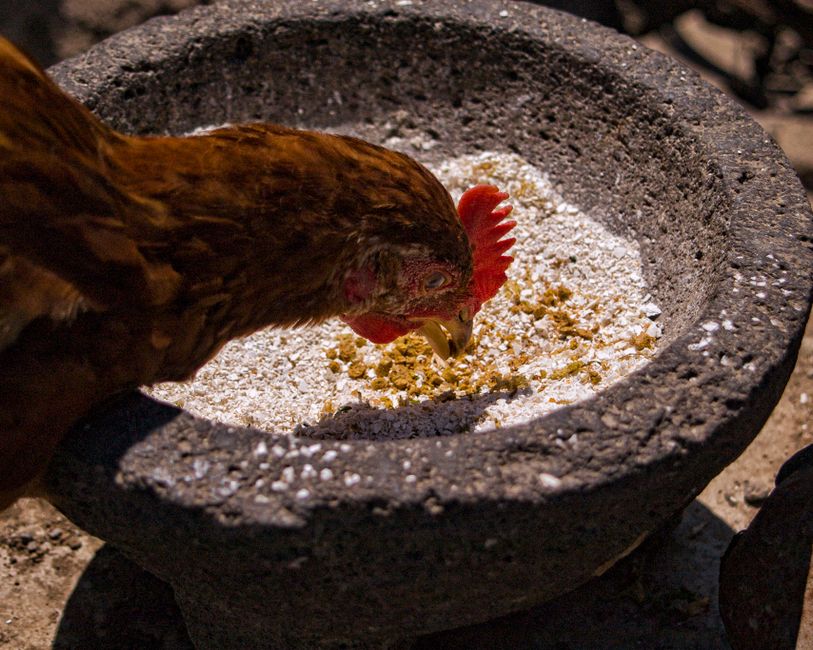
Layer feed typically contains sufficient calcium, but additional supplementation may be necessary, especially for high-producing breeds or older hens. A common practice is to offer a separate calcium supplement, such as oyster shell or crushed limestone, in a separate feeder. This allows hens to consume extra calcium as needed, based on their individual requirements.
Calcium is best provided in the afternoon, as eggshell formation tends to occur at night. Providing a source of calcium in the late afternoon ensures that hens have access to it when the demand is highest. However, too much calcium can be problematic, so it is important to follow recommended guidelines and monitor the condition of the eggs.
Feeding Strategies for Optimal Egg Production
While a consistent schedule is important, flexibility is also key. Adjustments may be needed based on seasonal changes, molting, or health issues. During molting, which typically occurs in late autumn, hens may reduce or stop laying, and their nutritional needs shift toward feather regrowth. Providing a higher-protein feed during this period can help.
Environmental stress, such as extreme heat or cold, can also affect feed intake. In hot weather, feeding during the cooler parts of the day, such as early morning and evening, can help maintain consumption. In cold weather, increasing feed quantity slightly can help hens meet energy demands.
Observing the behavior and output of the flock is essential. Regular monitoring of egg production, shell quality, and bird condition allows for timely adjustments to the feeding program. Keeping records of feed consumption and production can reveal patterns that inform management decisions.
Consistency in feeding times supports digestive health and reduces stress, which in turn contributes to stable egg production.
Common Feeding Mistakes to Avoid
There are several pitfalls that poultry keepers should be aware of. Overfeeding can lead to obesity, which reduces laying performance and increases the risk of health issues. Underfeeding, on the other hand, can cause weight loss and a decrease in egg production.
Feeding layer feed to non-laying birds, such as roosters or chicks, can lead to calcium toxicity and kidney problems. Similarly, offering treats or scratch grains in excess can unbalance the diet. Treats should be limited to less than 10% of the total diet and given at times that do not interfere with regular feed consumption.
Ignoring water quality is another common mistake. Hens need access to clean, fresh water at all times. Dirty waterers can harbor bacteria that cause illness and reduce feed intake. Regular cleaning and refilling are essential.
In summary, a well-planned feeding schedule that considers the nutritional needs of laying hens, provides appropriate portion sizes, and includes calcium supplementation can support optimal egg production. By observing the flock and making adjustments as needed, poultry keepers can help ensure the health and productivity of their hens.